Kindness
Humanitas
Virtue IV of VII · Warmth without comparison
Kindness Humanitas, and what it looks like today
Someone else winning never shrinks the room you are standing in.
Classical Humanitas is the direct antidote to Envy. Anyone can be sympathetic when a friend fails; real Kindness shows up when a friend succeeds—and your first instinct is genuine happiness for them rather than quiet comparison.
- Counters
- Envy
- Patron
- Raphael
- Avg score
- 64%
I · The psychology
How Kindness works under pressure
Kindness requires emotional security. Because your nervous system is not locked in status surveillance, you notice subtle shifts in tone—who got talked over in a group, who is smiling through a hard week—and soften the room without making a scene.
What people rely on
Safe emotional landing pads, unforced encouragement, and celebration that has zero hidden sting.
The quiet cost at 2 a.m.
You absorb everyone else’s heavy weather and swallow hard truths to avoid hurting feelings until you feel invisible.
II · The gift and the trap
The rare gift
Disarming emotional intelligence, deep friendships, and instant psychological safety.
When carried too far
Confusing kindness with niceness — softening necessary truth until boundaries blur.
III · Everyday signs
Four signs Kindness comes naturally to you
- I.
Hyping a friend’s good news behind their back even harder than to their face.
- II.
Steering a group conversation back to the quiet person who just got interrupted.
- III.
Checking in three days after a crisis, right when everyone else has moved on.
- IV.
Giving people the most generous reasonable reading before assuming malice.
IV · What it guards against
Envy Invidia
Measuring every peer’s win as an indictment of your own life.
Compare your Kindness against EnvyThree habits that protect your Kindness from burnout
- 01
Remember that clear, direct honesty is kinder than polite resentment six months later.
- 02
Ask "Do you want comfort right now, or help solving it?" before carrying someone’s problem.
- 03
Treat yourself with the same grace you hand out automatically to strangers.
V · Archetypes
Six archetypes led by Kindness
The test pairs your highest virtue with your runner-up. If Kindness finishes #1, your second-highest virtue determines which of these six portraits you unlock.
The Soft Landing
People confess things to you in parked cars that they have not told their therapist.
The Warm Current
You spot the one person standing awkwardly at the edge of the room and bring them into the circle within two minutes.
The True Friend
You defend your friends’ names in rooms they will never enter.
The Calm Healer
You know how to comfort people in crisis without getting swept into their panic.
The Quiet Harbor
Everyone brings you their emergencies because you never explode, shame them, or say "I told you so."
The Keeper of Small Things
You do not just feel sorry for overwhelmed people—you quietly wash the dishes and organize the chaos.
VI · Classical & scientific lineage
From Prudentius to VIA psychology
In character-strength research
Within the VIA Humanity cluster, Kindness and Mudita (sympathetic joy) strongly buffer social-comparison depression and predict resilient social support networks.
In classical allegory
Medieval moralists paired Humanitas against Invidia’s jaundiced gaze: where Envy gnaws its own heart at another’s harvest, Kindness plants shade trees for strangers.
Archangel correspondence
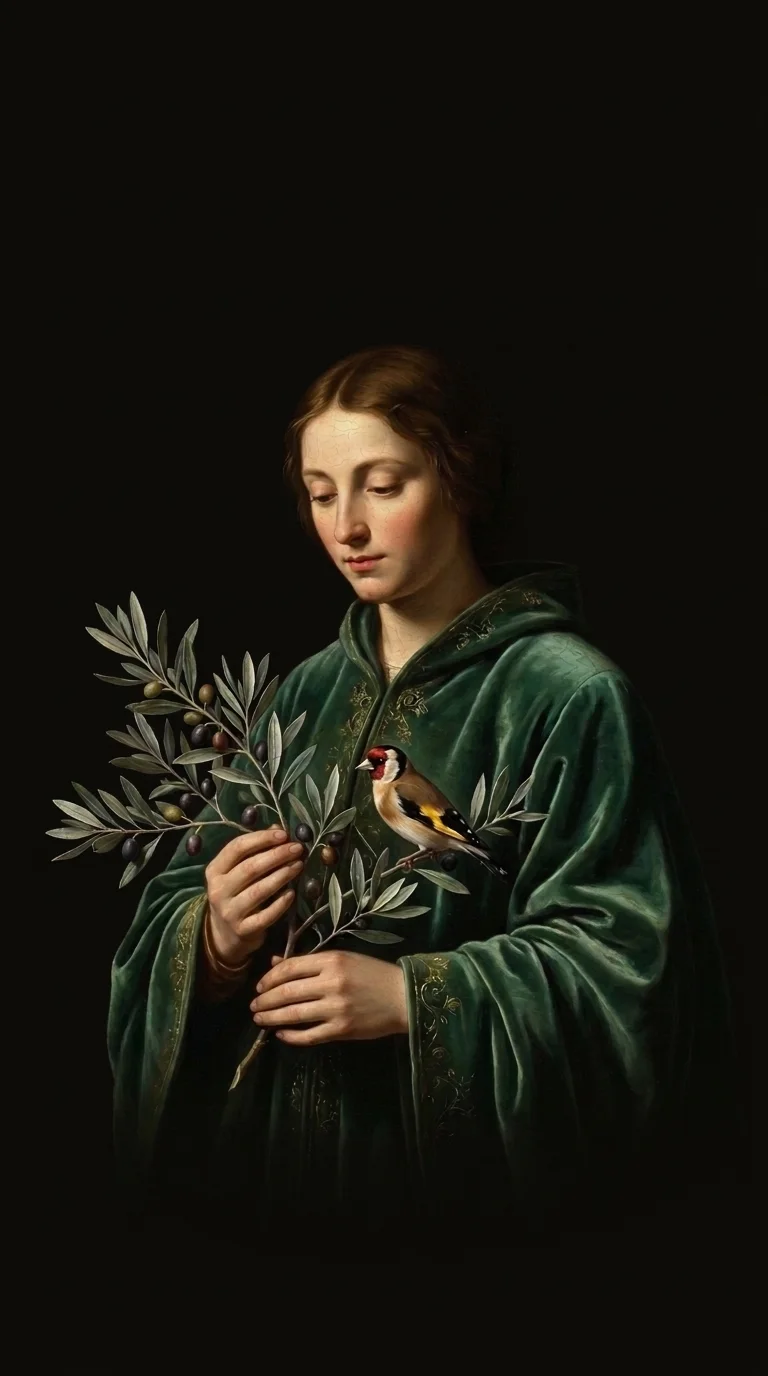
Classical emblem traditions link Kindness with Raphael, “Healer of the Olive Branch”—a symbolic portrait of how this habit holds the line under pressure.
How Kindness pairs with others
Test any duo pairing on the compatibility page

Nobody runs on one virtue alone.
The 7 Heavenly Virtues Test scores Kindness alongside the other six in two minutes, maps your unguarded door, and compares your wheel against your country.