Charity
Caritas
Virtue II of VII · Open-handed generosity
Charity Caritas, and what it looks like today
You treat abundance like a fire — brighter when shared, dead when locked away.
Classical Charity (Caritas) goes deeper than writing checks. It is an internal posture of sufficiency: picking up the tab when a friend is tight, making introductions that help someone else win, and offering your attention without calculating return on investment.
- Counters
- Greed
- Patron
- Gabriel
- Avg score
- 59%
I · The psychology
How Charity works under pressure
Where scarcity minds treat life as a zero-sum pie, high-Charity personalities run on psychological abundance. Giving activates genuine reward rather than resentment—until chronically one-way takers mistake your warmth for an unlimited subsidy.
What people rely on
Open doors, thoughtful gestures remembered months later, and generosity that never feels performative.
The quiet cost at 2 a.m.
A handful of takers get used to your open hand and act oddly offended the first day you set a limit.
II · The gift and the trap
The rare gift
Magnetic warmth, social trust, and the power to turn cold networks into real communities.
When carried too far
Rescuing people from consequences they actually needed to face to grow up.
III · Everyday signs
Four signs Charity comes naturally to you
- I.
Sharing useful contacts, job leads, or notes without worrying someone will get ahead of you.
- II.
Ordering for the table and never VENMO-requesting three dollars for an extra side.
- III.
Remembering small details a friend mentioned once and showing up with the exact right gift.
- IV.
Giving full public credit to people who helped behind the scenes.
IV · What it guards against
Greed Avaritia
Hoarding money, credit, time, and leverage out of quiet scarcity panic.
Compare your Charity against GreedThree habits that protect your Charity from burnout
- 01
Notice who checks on you when you have nothing to offer that week — invest deeper there.
- 02
Pause 24 hours before saying yes to major favors involving money or recurring time.
- 03
Let people ask clearly instead of solving unspoken problems before they lift a finger.
V · Archetypes
Six archetypes led by Charity
The test pairs your highest virtue with your runner-up. If Charity finishes #1, your second-highest virtue determines which of these six portraits you unlock.
The Quiet Patron
You remember a friend’s offhand worry from April and solve it in June without making a speech.
The Unbribed Heart
When you invest in someone, you go all in—no hidden strings, no backup roster, no games.
The Open Table
Your home, calendar, and group chat turn into the emergency landing strip for everyone you love.
The Steady Hearth
You keep your own life disciplined specifically so you have margin left when your people need you.
The Long Shelter
You stick beside people through slow, unglamorous recoveries long after fair-weather friends get bored.
The Load-Bearer
Your love language is taking the heaviest box off someone’s hands before they finish asking.
VI · Classical & scientific lineage
From Prudentius to VIA psychology
In character-strength research
Positive psychology research links Generosity and prosocial spending (Dunn, Aknin & Norton, 2008; VIA Humanity cluster) with sustained well-being—provided autonomy is preserved.
In classical allegory
In medieval allegory, Caritas strips off heavy armor and scatters gold freely, disarming Avaritia’s obsession with locked chests and secret tallies.
Archangel correspondence
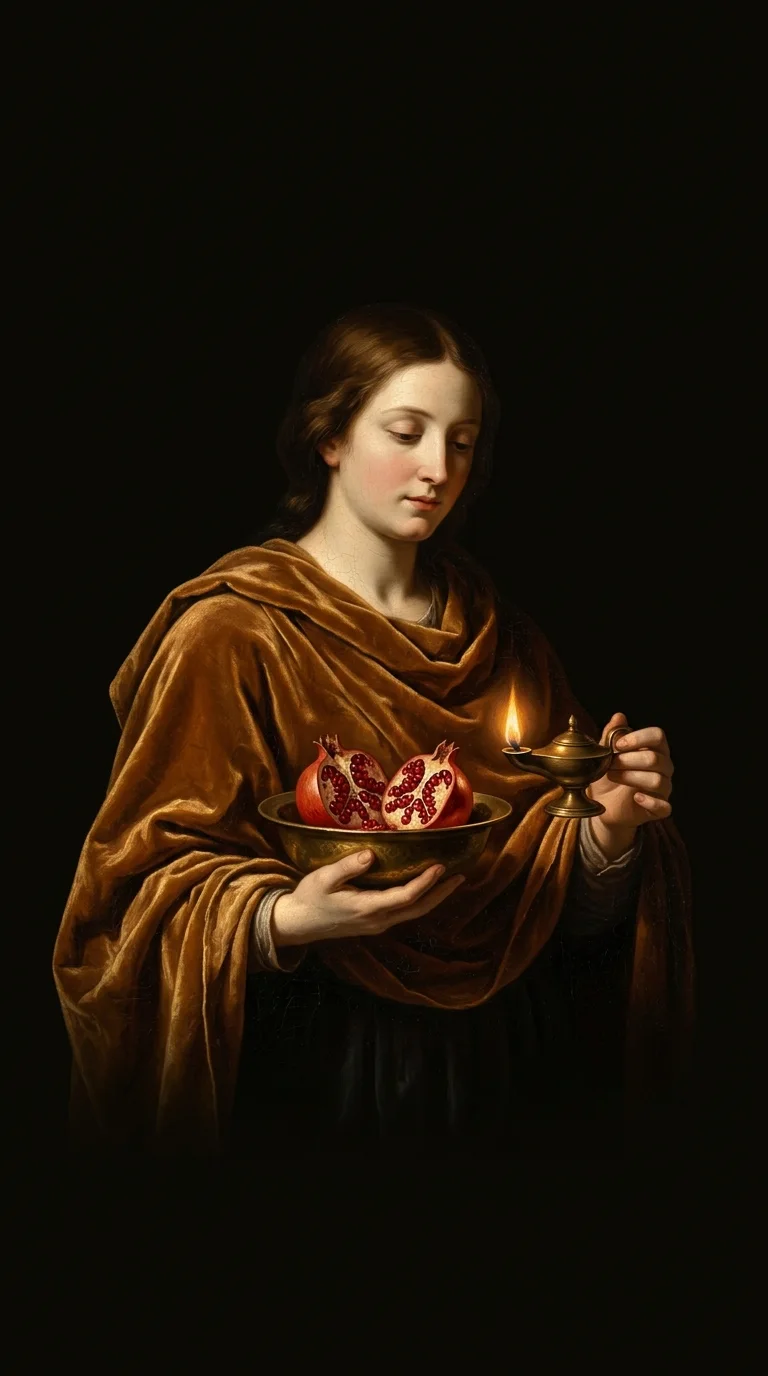
Classical emblem traditions link Charity with Gabriel, “Bearer of the Shared Flame”—a symbolic portrait of how this habit holds the line under pressure.
How Charity pairs with others
Test any duo pairing on the compatibility page

Nobody runs on one virtue alone.
The 7 Heavenly Virtues Test scores Charity alongside the other six in two minutes, maps your unguarded door, and compares your wheel against your country.